The Real Math Behind Slot RTP (And Why It Matters)
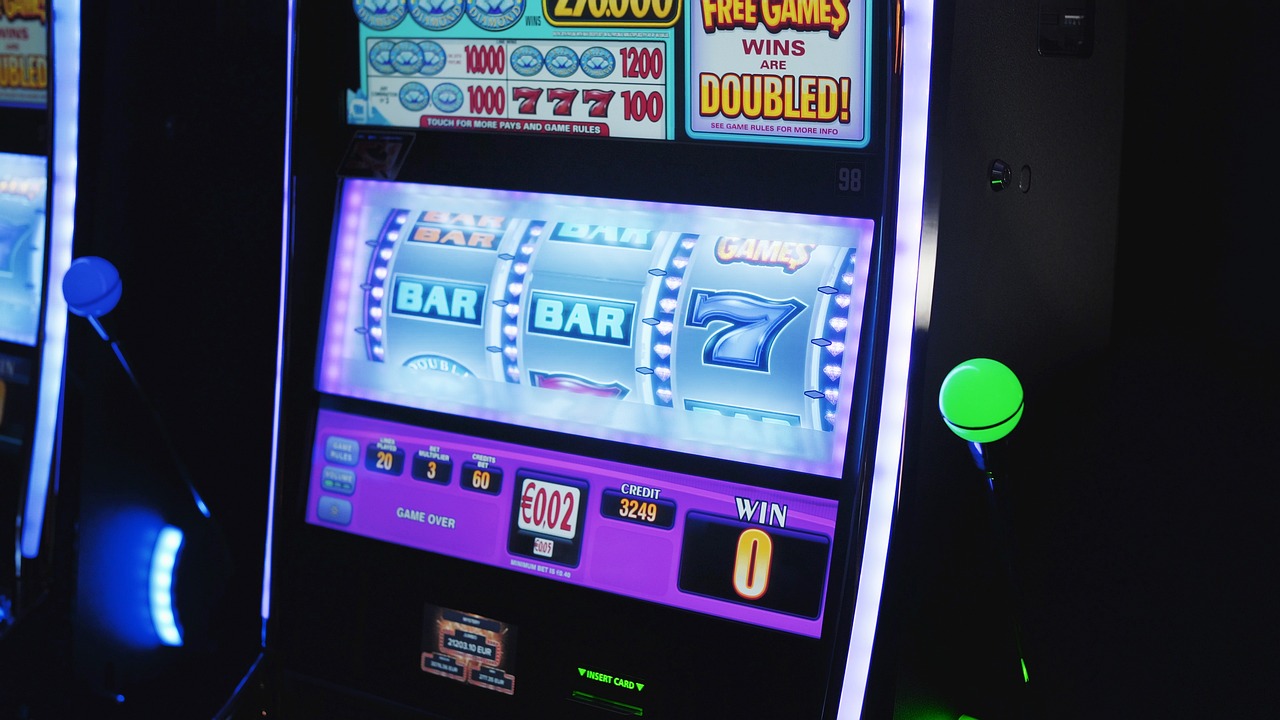
Ask ten slot players what RTP means and you'll get ten confident answers, most of them slightly wrong. The number is plastered on every game info screen, quoted in forums, and used to declare certain slots "loose" or "tight" — yet very few players can explain what a 96.5% RTP actually does to their bankroll over a three-hour session. That gap between knowing the term and understanding it is where a lot of money quietly disappears.
Let's fix that. Not with vague reassurance, but with the actual mechanics.
RTP Is a Long-Run Average, Not a Promise
Return to Player is calculated over millions of simulated spins. A slot with 96% RTP returns, on average, 96 cents for every dollar wagered across that enormous sample. The remaining 4% is the house edge — the casino's theoretical profit margin.
Here's the part people miss: RTP says nothing about what happens in your next 500 spins. Variance sits on top of RTP and determines how wild the ride gets. Two slots can both sit at 96% RTP while behaving completely differently:
- Low variance: frequent small wins, gentler bankroll swings, fewer massive payouts. Think classic 3-reel fruit slots.
- High variance: long droughts punctuated by rare huge wins. Think Megaways titles or anything with a max win in the thousands of times your stake.
A 96% RTP high-variance slot might eat 300 spins before paying anything meaningful. The math hasn't failed — you just haven't reached the part of the distribution where the big wins live.
Practical takeaway: pick your variance to match your bankroll, not your mood. A generous RTP slot with brutal variance and a small bankroll is a recipe for a fast, silent exit. See สล็อต for a side-by-side comparison.
Where the Casino's Edge Actually Comes From
Every game type extracts its margin differently, and the size of that margin matters far more than most casual players realize.
- Blackjack (basic strategy): roughly 0.5% house edge. The best odds in the building — if you play correctly.
- Baccarat (banker bet): about 1.06%. Cut-and-dried, almost no decisions to make.
- European roulette: 2.7%. American roulette doubles it to 5.26% because of the extra double-zero pocket.
- Slots: typically 2% to 10%, depending on the game and the jurisdiction.
- Casino poker (against the house): usually a 2.5%–5% rake, which is why serious players gravitate toward peer-to-peer formats.
That single-zero versus double-zero roulette difference is a perfect illustration. Same game, same felt, nearly double the edge. Smart players ask one question before sitting down at anything: what is the house edge, and can I do better at the next table?
Slots: What Separates Good Games From Bad Ones
Online slots are not created equal, and the difference is almost never visible in the artwork.
- Check the RTP tier. Many developers release the same slot at multiple RTP settings — 94%, 96%, even 97% — and operators choose which version to run. The info screen is the only place this is disclosed. Always look.
- Read the max win. A 5,000x max win with 96.5% RTP is a fundamentally different game from a 50,000x max win at 96%. Bigger potential usually means colder stretches.
- Understand volatility ratings. Most reputable studios now publish a low/medium/high volatility label. Use it.
- Test the bonus mechanics. Free spins, expanding wilds, and multiplier trails are where the real payouts hide. A slot with a weak base game and a strong bonus round behaves very differently from one that pays steadily on every spin.
One underrated tip: if you find a slot you enjoy, look for it at a second or third casino. Operators frequently run different RTP configurations of identical titles, and switching venues can genuinely change your long-term expected outcome.
Poker Rewards Skill; Everything Else Rewards Discipline
Poker is the one game in the building where a knowledgeable player can hold a genuine long-term edge over weaker opponents. No house edge applies — the money moves between players and the venue takes a rake. That changes everything about how you should approach it.
Cash game poker rewards patience, position, and hand selection. Tournament poker rewards survival and aggression in the right spots. But both punish tilt harder than any slot machine ever could, because the decisions are yours. You can't blame variance for calling a raise with 7-2 offsuit.
Sports betting is similar territory — with a key difference. Beating the closing line consistently is the only reliable sign you have an edge. If you're not tracking your bets against closing odds, you're guessing. Spreadsheets beat gut feelings every time.
Bankroll Management Is the Only Real Strategy
No RTP number, bonus round, or betting system will save a player who stakes too much per bet. Bankroll management is the unglamorous discipline that separates people who play for years from people who blow through a deposit in 40 minutes.
Simple framework that works across all iGaming formats:
- Decide in advance what you're willing to lose entirely. That number is your bankroll — not your monthly budget, not "what I can afford if it goes well."
- Keep individual bets between 0.5% and 2% of that bankroll. It sounds tiny, but it's what lets 500+ bet sessions survive normal variance.
- Set a loss limit and a win limit before you start. Walking away at 2x is harder than it sounds and more valuable than any pick.
- Never chase losses with increased stakes. That's the single most common path to a painful night.
The math doesn't care about your feelings, your intuition, or how "due" a jackpot feels. It only responds to bet sizing, house edge, and volume. Control those three and you control the experience.
The Bottom Line
iGaming is entertainment with a measurable cost. That's not a cynical take — it's a liberating one. Once you understand that RTP is a long-run average, that variance determines the ride, and that the house edge varies wildly between games, you stop treating the whole thing as a lottery and start treating it as a decision. Some decisions are better than others. Slots at 97% RTP, blackjack played with basic strategy, poker against softer fields, bets sized to survive variance — those are the decisions that let you play longer, enjoy it more, and lose less than the person next to you who never bothered to check the info screen. The knowledge won't change the math of any single spin. Over a year of spins, it changes everything.