Damp in Old Buildings: Separating Myth from Real Problem
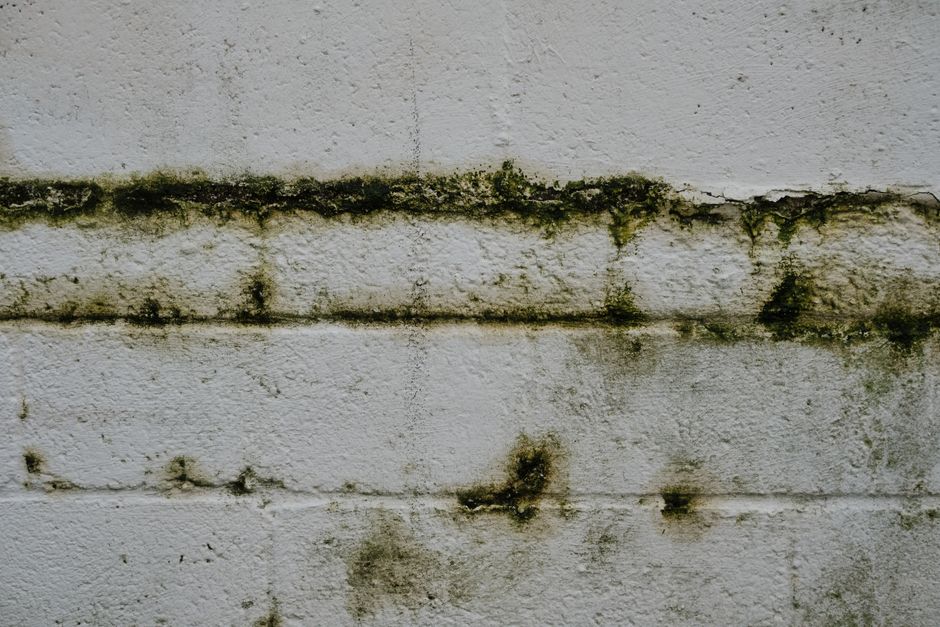
Few words strike more fear into the heart of an old building owner than the word damp. It conjures images of crumbling plaster, rotting timbers, and a bill with far too many zeros on the end. Damp is a real issue in historic buildings, but it is also one of the most consistently misdiagnosed. A great many walls have been subjected to injected chemical damp-proof courses, tanking, and cement renders on the basis of a diagnosis that was never properly made. In many cases, these treatments have made the building worse rather than better.
The first thing to understand is that old buildings manage moisture in a fundamentally different way from modern ones. They are designed to be breathable. Lime plaster, lime mortar, and unsealed stone or brick allow moisture to move through the fabric and evaporate from the surface. This is not a defect. It is the system. When that system is blocked by impermeable materials, moisture gets trapped and problems begin.
Common Causes of Damp
Genuine rising damp, where groundwater is drawn up through the base of a wall by capillary action, does occur, but it is less common than the damp-proofing industry would have you believe. Much more often, the moisture is coming from somewhere else entirely. A leaking gutter, a cracked downpipe, or a faulty flashing can send water into a wall for years without being noticed. Blocked air bricks and sub-floor vents trap moisture under timber floors, causing joists to rot. High ground levels outside can bridge a physical damp course or simply push water into the base of the wall.
Condensation is another frequent culprit. Modern lifestyles generate a lot of moisture: cooking, bathing, drying laundry, and simply breathing. In a well-sealed building with inadequate ventilation, that moisture has nowhere to go and condenses on cold surfaces, often in corners and behind furniture. It can look exactly like rising damp to an untrained eye, and it is often treated as such, with predictably poor results.
Then there is the problem of inappropriate modern materials. Cement render, plastic paints, and gypsum plaster all reduce the wall's ability to breathe. When they are applied to an old wall, moisture that would once have evaporated harmlessly is trapped behind them. It builds up until it finds a way out, often through the internal face, where it damages decorations and plaster. The render itself may look fine while the wall behind it quietly deteriorates.
Diagnosing Before Treating
The correct approach is to investigate thoroughly before any treatment is considered. This means looking at the building as a whole: gutters, downpipes, drainage, ground levels, ventilation, and the condition of the roof. It means understanding how the wall was built and what materials have been applied to it over the years. A moisture meter alone is not a diagnosis, and neither is a surveyor who sells damp-proofing as a remedy.
Once the actual source is identified, remedies are often simpler and cheaper than expected. Clearing a blocked gutter, lowering an outside ground level, or reinstating ventilation may solve the problem entirely. Where internal materials are trapping moisture, removing cement render and replacing it with lime plaster can transform a wall's behaviour. In the relatively rare cases where rising damp is genuine, options include improving drainage, adjusting ground levels, or, in some circumstances, installing a breathable remedial system rather than a chemical injection.
The lesson is patience. Damp in old buildings rewards careful investigation and punishes guesswork. Anyone being offered a quick fix, especially one involving injection or tanking, should ask hard questions about how the diagnosis was reached. The building has survived for a century or more. It deserves a diagnosis that respects how it was built.