Breathable Paints and Plasters: Getting the Finish Right on Old Walls
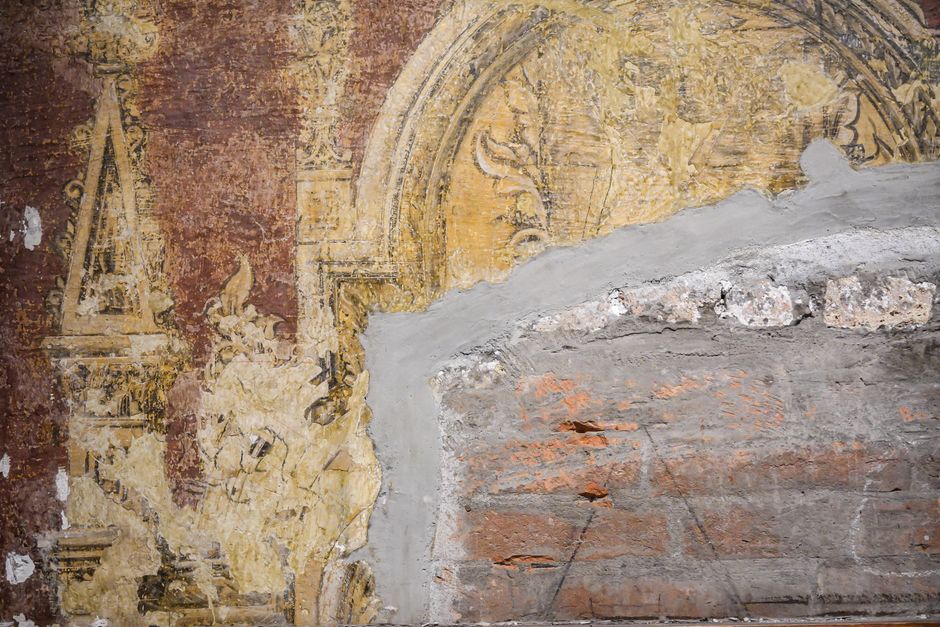
The finish on an old wall is not decoration. It is part of the wall's moisture management system. Historic buildings were finished with lime plasters, lime washes, and distempers precisely because those materials allow moisture to move through the wall and evaporate from the surface. When they are replaced with modern gypsum plaster and vinyl emulsion, the wall loses that ability. The result is trapped moisture, blown plaster, and decay in the very fabric the finish was meant to protect.
This is not a purist argument. It is a practical one. A breathable finish is one that allows water vapour to pass through it. A non-breathable finish blocks that movement. On a solid wall, blocking vapour on the inside pushes the dew point into the masonry, where it condenses and causes damage. On a timber-framed wall, it can rot the frame from the inside out.
Lime, Clay, and the Range of Breathable Options
Lime plaster is the traditional choice and remains the most widely appropriate. It is applied in coats, each thinner than the last, and it cures by carbonation rather than drying. It is flexible, self-healing to a degree, and tolerant of slight movement. It also has a distinctive soft, slightly uneven surface that suits old walls far better than a perfectly flat modern skim.
Clay plasters are a more recent addition to the UK market, though the tradition is ancient. They are excellent at regulating humidity, feel warm to the touch, and are easy to repair. They are less tolerant of prolonged damp than lime, so they suit internal walls and dry rooms rather than basements or exposed elevations. Earth and hemp-lime mixes offer similar benefits and are increasingly used in retrofit work.
On the paint side, the options are broader than many people realise. Lime wash, casein distemper, and clay paint are all breathable and widely available. Modern breathable emulsions exist too, but the term is loosely regulated, so check the vapour permeability figures rather than the marketing. A good rule of thumb is that if the paint forms a skin you can peel, it is probably not breathable enough for a solid wall.
Preparation, Repair, and the Mistakes That Cost the Most
Most failures with breathable finishes come down to preparation, not product. Old walls need to be assessed for damp, salt contamination, and previous coatings before anything new goes on. Cement renders and vinyl paints should be removed where they are trapping moisture, but carefully, and with a clear plan for what replaces them. Stripping a wall and leaving it exposed is rarely the right answer.
Salts are a particular problem in old walls, especially where ground levels have risen or where a chimney has been sealed. They crystallise at the surface and push off any finish applied over them. The solution is usually to remove the source of moisture, allow the wall to dry, and use a salt-resistant primer or a sacrificial render that can be renewed.
Finally, accept that breathable finishes behave differently from modern ones. They move, they age, and they develop a patina. That is not a defect. It is the wall doing what it was designed to do, and it is one of the reasons old buildings feel the way they do.