Choosing Roofing for Heritage Buildings: Slate, Stone, and Thatch Compared
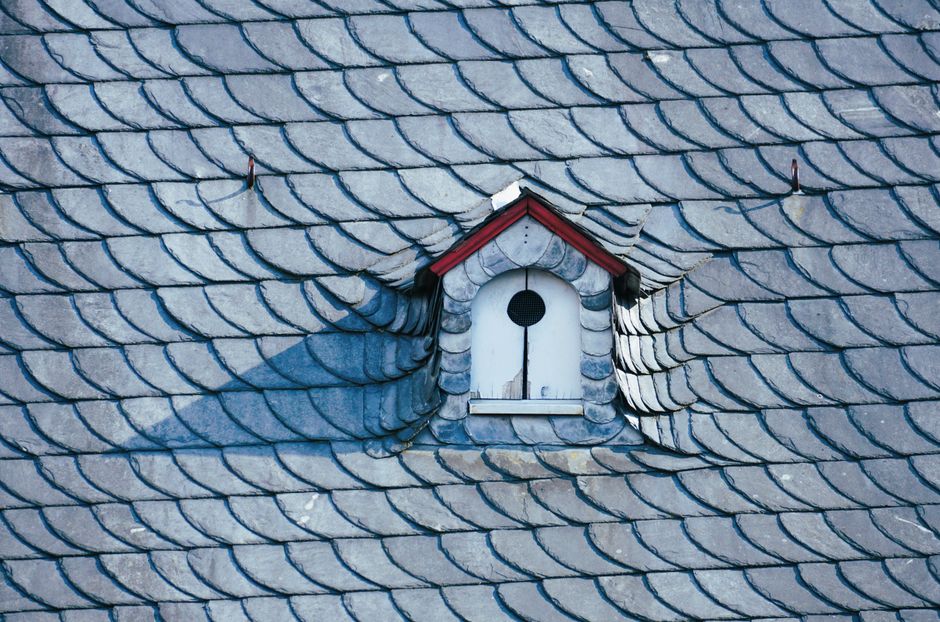
Nothing shapes the character of a heritage building quite like its roof. A Cotswold cottage under stone slates, a Welsh chapel under blue-grey slate, a Norfolk cottage under reed thatch: each is instantly recognisable, and each reflects the materials that were available locally when the building was constructed. When it comes time to repair or replace a roof, the choice of covering is one of the most consequential decisions an owner will make. It affects appearance, cost, weight, maintenance, and often the legal permissions required to carry out the work.
The first principle in heritage roofing is to match what was there originally, or as close as practical. This is not simply a matter of taste. The weight of a roof covering determines what the structure beneath it can carry, and the pitch of the roof was usually set to suit the original material. Changing from stone slate to concrete tile, for example, may seem like a cheap fix, but it can overload the timbers and look wrong from every angle. Conservation officers will usually insist on a like-for-like approach, and there are good reasons for that beyond aesthetics.
Slate, Stone, and Their Differences
Natural slate is one of the most durable roof coverings ever devised. A good Welsh or Cumbrian slate can last well over a century, and when individual slates fail they can be replaced without disturbing the rest of the roof. It is relatively light, works at a range of pitches, and ages gracefully. The main drawbacks are cost and availability. New slate from traditional quarries is expensive, and reclaimed slate is in constant demand. For listed buildings, matching the original size, colour, and source is often required.
Stone slates, sometimes called stone tiles, are a different beast. They are thick, heavy, and irregular, laid in diminishing courses so that the largest stones sit at the eaves and the smallest at the ridge. This gives the roof its distinctive texture and is characteristic of limestone and sandstone regions. Because stone slates are so heavy, the roof structure has to be robust, and repairs are labour-intensive. Reclaimed stone slates are scarce and costly, and new ones are usually sourced from the same quarry as the originals if it is still working.
Thatch is the oldest covering of all and still has a devoted following. Water reed and straw are the two main materials, with reed generally lasting longer. A well-maintained thatch can last thirty to fifty years, but it requires a skilled thatcher for repairs and eventual replacement, and those skills are not available everywhere. Thatch is also a fire risk, and insurance and building control both take an interest. On the plus side, it is superb insulation, and no other roof covering looks quite like it.
Practical Considerations
Whichever material is chosen, the details matter as much as the covering itself. Ventilation, underlay, battens, and fixings all need to suit the material and the building. Heritage roofs were often laid without underlay, relying on the covering and the loft space to manage moisture, and introducing modern membranes without thought can cause condensation problems. Lead flashings, valleys, and gutters need to be detailed in a way that respects the original design.
Maintenance is the final factor. Slate and stone roofs need occasional inspection, especially after storms, and repointing of ridges and hips every few decades. Thatch needs more regular attention but is straightforward for a competent thatcher. Whatever the choice, the key is to plan for the long term. A heritage roof is not a disposable item. Done properly, it will outlast the person who commissioned it, and that is exactly the point.