Repointing Old Brickwork: Why Lime Mortar Matters More Than You Think
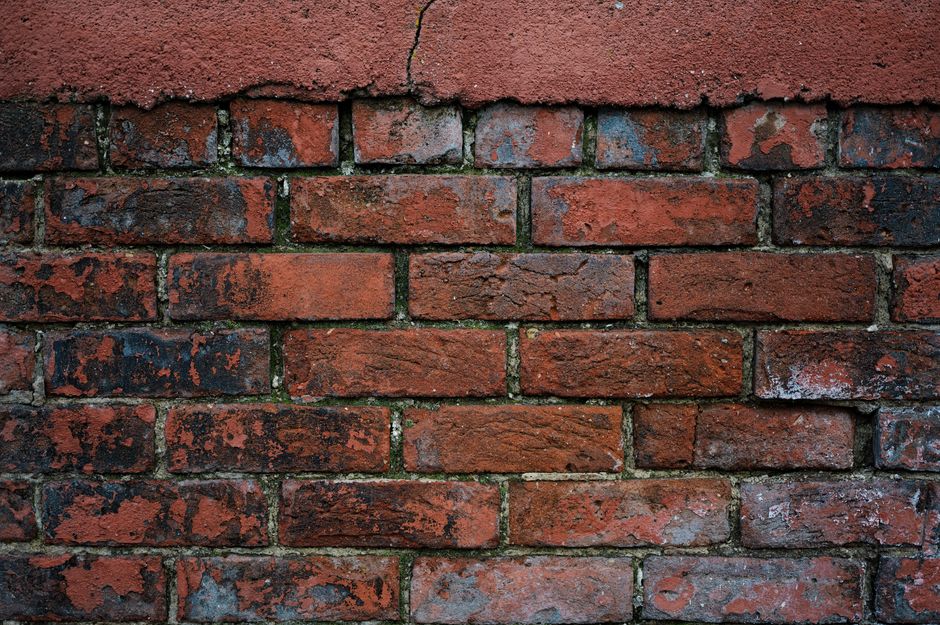
Walk through almost any old village and you will find at least one brick wall with a strange, greyish band of mortar running through it. That band is usually cement, and it is often the beginning of the end for the bricks around it. Repointing is one of the most common tasks in heritage building work, and also one of the most frequently misunderstood. The instinct to use the hardest, most durable material available is understandable, but in an old wall it is precisely the wrong approach.
Historic bricks were fired at relatively low temperatures and are softer and more porous than their modern counterparts. Lime mortar, which was used almost universally before the twentieth century, is also softer and more permeable. The two materials move together as the wall expands and contracts with changes in temperature and moisture. When cement mortar is forced into the joints of such a wall, it creates a rigid, impermeable barrier that the softer bricks cannot work with.
What Cement Does to an Old Wall
The trouble with cement pointing is not that it fails, but that it succeeds too well at the wrong things. It is strong and it is relatively waterproof. That sounds ideal until you remember that old walls are designed to get wet and then dry out. Rain that soaks into the brickwork needs somewhere to escape. In a traditionally built wall, moisture evaporates through the mortar joints and the face of the bricks. When the joints are sealed with cement, the water is trapped and has to find another route out, which is usually through the bricks themselves.
Over years of freeze and thaw cycles, this trapped moisture causes the faces of the bricks to spall and crumble. The cement pointing remains intact while the bricks around it disintegrate, which is why you often see walls where the mortar sticks out proud of the eroded brickwork. Repairing this kind of damage is far more expensive than repointing with the right material in the first place. In some cases, bricks have to be replaced entirely.
Getting Lime Repointing Right
Lime mortar is not simply a case of buying a bag labelled lime and mixing it up. There are different types, including non-hydraulic lime putty, hydraulic lime, and various blends, and the correct choice depends on the age and softness of the bricks, the exposure of the wall, and the local tradition. A wall in a sheltered courtyard may need a different mix from one facing the sea. Getting this wrong can cause problems almost as serious as using cement.
The actual process also matters. Joints should be raked out to a sufficient depth, typically at least twice the width of the joint, so the new mortar has something to key into. The mortar should be pressed in firmly and finished to match the original profile, whether that is flush, weathered, or struck. It should be kept damp as it cures rather than allowed to dry out too quickly, especially in hot weather. Lime sets slowly, and rushing it defeats the purpose.
For anyone working on a listed building or in a conservation area, repointing with lime is often a condition of consent, and for good reason. But even where no formal protection applies, lime remains the sensible choice for any pre-twentieth-century wall. It is more forgiving, it allows the building to breathe, and it can be repaired again in the future without destroying the bricks. Cement, by contrast, is a one-way street. Choosing lime is not nostalgia, it is practical maintenance that respects how the building was designed to work.